
Web Scraping Explained: Complete Guide, Use Cases & Best Practices (2026)
Web scraping is one of the most widely used techniques for automatically collecting information from websites. Businesses, developers, researchers, and startups rely on web scraping to gather publicly available data for market research, price monitoring, lead generation, competitive analysis, and machine learning projects. As websites continue to grow in complexity, modern scraping solutions have evolved to include intelligent parsing, automation, proxy management, and structured data extraction. This guide explains what web scraping is, how it works, its benefits, common challenges, legal considerations, best practices, and how developers can integrate scraping services through FireAPI when available.
What Is Web Scraping?
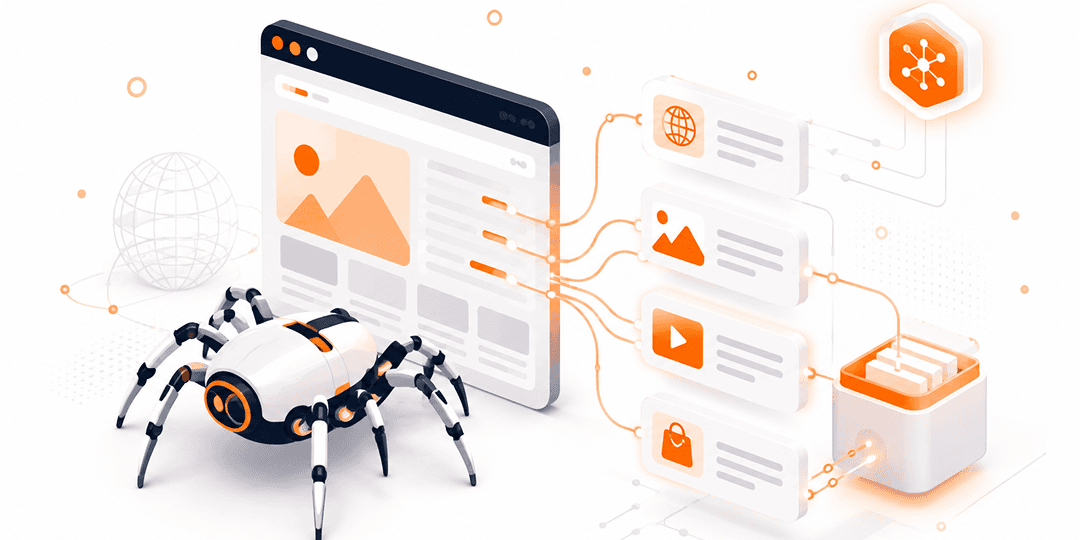
Web scraping is the automated process of extracting publicly available information from websites. Instead of manually copying data from web pages, a scraper sends requests to a website, downloads the page content, and extracts the required information using parsing techniques.
Depending on the project, scraped information may include:
Product listings
Pricing information
Customer reviews
News articles
Job postings
Business directories
Real estate listings
Public government information
Financial market data
The extracted data can then be stored in databases, spreadsheets, analytics platforms, or business applications for further processing.
How Web Scraping Works
Although implementations vary, the general workflow follows a few common steps:
A scraper sends an HTTP request to a webpage.
The web server returns HTML content.
The scraper parses the HTML using selectors such as CSS selectors or XPath.
Required information is extracted and cleaned.
The processed data is stored in a structured format such as JSON, CSV, or a database.
More advanced solutions can also execute JavaScript, manage sessions, rotate proxies, solve CAPTCHAs where legally permitted, and schedule automated data collection tasks.
Key Features of Modern Web Scraping
Automated data collection
Structured data extraction
Scheduled scraping jobs
Support for dynamic JavaScript websites
Proxy and IP rotation capabilities
Export to JSON, CSV, Excel, or databases
Error handling and retry mechanisms
Scalable cloud-based execution
Benefits of Web Scraping
Web scraping provides significant advantages for organizations that depend on timely and accurate public data.
Time Savings: Automates repetitive data collection tasks.
Competitive Intelligence: Tracks competitor products, pricing, and promotions.
Market Research: Collects large datasets for business analysis.
Lead Generation: Builds datasets from publicly available business directories.
Data Analytics: Supplies structured information for dashboards and reports.
Machine Learning: Generates training datasets for AI models.
Common Business Use Cases
Price Monitoring
Retailers continuously monitor competitor pricing to remain competitive. Automated scraping allows businesses to detect pricing changes and adjust their own pricing strategies more efficiently.
Market Research
Companies collect publicly available information from industry websites, news portals, and marketplaces to identify market trends and customer preferences.
Real Estate Aggregation
Property platforms gather publicly listed real estate information from multiple sources to create centralized search experiences.
Travel and Hospitality
Travel comparison platforms aggregate hotel availability, reviews, and pricing from various providers to help users compare options.
News Aggregation
Media organizations and research teams collect headlines and publicly available articles to monitor industry developments and breaking news.
Academic Research
Researchers analyze publicly available datasets from government portals, publications, and institutional websites for statistical analysis and scientific studies.
Challenges of Web Scraping
While web scraping offers significant value, developers should be aware of common technical challenges:
Website layout changes that break extraction logic
Rate limiting by web servers
Dynamic JavaScript-rendered content
CAPTCHA and bot detection mechanisms
IP blocking after excessive requests
Duplicate or inconsistent data
Handling pagination and infinite scrolling
Robust scraping systems typically include monitoring, retry mechanisms, selector validation, and scalable infrastructure to address these issues.
Legal and Ethical Considerations
Web scraping should always be performed responsibly and in compliance with applicable laws and website terms. Before collecting data, developers should review the website's Terms of Service, robots.txt file, and any applicable legal restrictions. Personal data and copyrighted content may be subject to additional regulations depending on the jurisdiction.
Responsible scraping includes respecting rate limits, avoiding unnecessary server load, collecting only publicly available information when permitted, and complying with privacy regulations such as GDPR or other applicable data protection laws.
Best Practices for Web Scraping
Respect website policies and robots.txt where appropriate.
Use reasonable request intervals to reduce server load.
Implement retries with exponential backoff for temporary failures.
Validate extracted data before storing it.
Monitor scraper performance and update selectors when websites change.
Handle pagination and duplicate records carefully.
Secure any stored data using appropriate access controls.
Prefer official APIs when a website provides one, as they are generally more stable and supported.
Developer Guide
Developers building scraping solutions commonly work with technologies such as:
Python
Node.js
Headless browsers
HTML parsers
XPath and CSS selectors
Cloud scheduling platforms
Database systems for storing extracted information
When choosing a scraping strategy, consider factors such as website complexity, update frequency, data volume, and long-term maintenance requirements. For sites with frequent design changes, resilient selectors and automated monitoring can reduce maintenance overhead.
How to Access Web Scraping Services Using FireAPI
If a suitable scraping API is available on FireAPI, developers can simplify integration by using managed services instead of building and maintaining scraping infrastructure from scratch.
A typical workflow includes:
Visit FireAPI.
Create an account and sign in.
Search the marketplace for a relevant scraping or data extraction API.
Select a suitable plan if available.
Generate an API key.
Review
Test the service before production deployment.
Integrate it into your application.
If a specific web scraping API is not currently available, developers can check the FireAPI marketplace for availability or request this API through FireAPI.
Real-World Applications
SaaS platforms collecting public market intelligence
CRM systems enriching business information
ERP platforms tracking supplier catalogs
E-commerce price comparison engines
Investment firms monitoring financial disclosures
AI companies collecting publicly available training datasets
Recruitment platforms aggregating job listings
Government data analysis projects using publicly accessible information
Frequently Asked Questions
Is web scraping legal?
The legality of web scraping depends on applicable laws, website terms, the type of data being collected, and how it is used. Always review relevant legal requirements before scraping a website.
What is the difference between web scraping and web crawling?
Web crawling discovers and indexes web pages, while web scraping extracts specific information from those pages.
Can web scraping handle JavaScript websites?
Yes. Modern scraping solutions can render JavaScript using headless browsers or browser automation tools before extracting the required content.
Why do websites block web scrapers?
Websites may limit automated traffic to protect server resources, prevent abuse, enforce access policies, or safeguard proprietary content.
Should I use an API instead of web scraping?
Whenever an official API is available, it is generally the preferred option because it offers a more reliable, structured, and supported way to access data than scraping website pages.
Conclusion
Web scraping remains an essential technology for organizations that need timely access to publicly available web data. When implemented responsibly, it enables automation, competitive analysis, research, and data-driven decision-making across many industries. Developers should follow ethical and legal guidelines, build resilient extraction workflows, and prioritize official APIs whenever available. If you need a managed scraping solution, you can explore the FireAPI marketplace to discover available APIs or request one if it is not yet listed.