
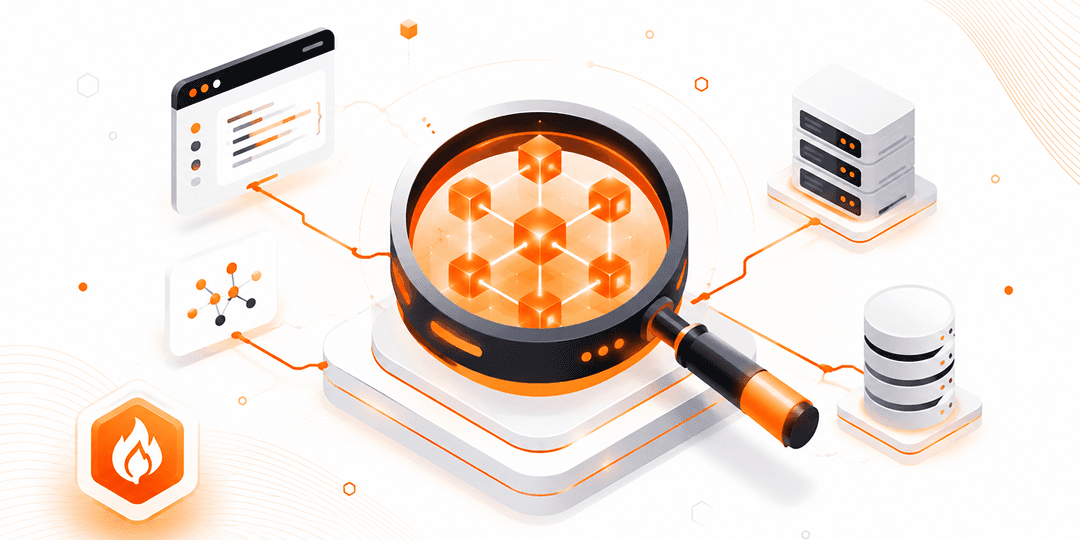
ChainScope Explained: Blockchain Analytics, Security & Industry Guide 2026
Blockchain technology has evolved far beyond cryptocurrency transactions. Today, developers, businesses, financial institutions, and security teams rely on blockchain analytics platforms to understand on-chain activity, monitor digital assets, and improve transparency. The term ChainScope represents the broader concept of gaining visibility into blockchain ecosystems through advanced analytics, monitoring, and intelligence tools. This guide explains what ChainScope is, why blockchain analytics matters, who benefits from it, and the best practices for using blockchain data effectively in 2026.
What Is ChainScope?
ChainScope refers to the process of analyzing blockchain networks to understand transactions, wallet activity, token movements, smart contract interactions, and network behavior. Rather than focusing on a single blockchain explorer, ChainScope represents a broader approach to blockchain intelligence that helps organizations transform publicly available blockchain data into actionable insights.
Since most public blockchains are transparent by design, every confirmed transaction can be examined. Blockchain analytics platforms organize this information into searchable dashboards, reports, alerts, and visualizations that simplify decision-making for technical and non-technical users alike.
Why Blockchain Analytics Matters
As blockchain adoption continues to grow across finance, logistics, gaming, healthcare, and digital identity, understanding on-chain activity becomes increasingly important. Blockchain analytics enables organizations to monitor assets, detect suspicious behavior, improve compliance processes, and gain operational visibility.
Improves transaction transparency.
Helps detect fraudulent activities.
Supports regulatory compliance initiatives.
Provides insights into blockchain network health.
Enhances operational decision-making.
Builds trust through transparent reporting.
Key Features of ChainScope Platforms
Although blockchain analytics solutions vary by provider, modern platforms commonly offer several powerful capabilities.
Blockchain Transaction Analysis
Users can inspect individual transactions, verify confirmations, examine fees, identify participating wallets, and trace token transfers across supported blockchain networks.
Wallet Intelligence
Wallet monitoring enables users to track incoming and outgoing assets, identify historical activity, observe transaction patterns, and monitor balances over time.
Smart Contract Monitoring
Developers can analyze smart contract interactions, monitor contract activity, and review deployment history to better understand decentralized applications.
Network Analytics
Blockchain metrics such as transaction volume, block production, network utilization, gas consumption, and validator activity provide valuable insights into ecosystem performance.
Security Monitoring
Security teams often use blockchain analytics to identify unusual transaction behavior, monitor potentially compromised wallets, and investigate suspicious fund movements.
How ChainScope Works
Blockchain analytics platforms collect publicly available blockchain data through blockchain nodes or indexed datasets. This raw information is processed, categorized, and organized into searchable databases that allow users to quickly explore blockchain activity.
Typical workflow includes:
Collect blockchain data.
Index transactions and wallet activity.
Process smart contract events.
Analyze relationships between addresses.
Generate dashboards and reports.
Provide alerts for important events.
Benefits for Developers
Developers building Web3 applications often require blockchain analytics to improve debugging, monitoring, and application performance. ChainScope solutions help development teams understand user behavior, optimize decentralized applications, and identify issues before they affect production environments.
Monitor decentralized applications (dApps).
Analyze smart contract interactions.
Track token transfers.
Debug blockchain transactions.
Measure application adoption.
Improve operational reliability.
Business Benefits
Organizations increasingly depend on blockchain intelligence to support strategic decisions. Financial institutions, exchanges, fintech companies, logistics providers, and enterprise software vendors use blockchain analytics to improve transparency and operational efficiency.
Common business advantages include:
Risk assessment.
Compliance reporting.
Fraud detection.
Investment research.
Operational monitoring.
Customer trust and transparency.
Real-World Use Cases
Cryptocurrency Exchanges
Exchanges monitor deposits, withdrawals, transaction confirmations, and wallet activity to improve operational efficiency and detect unusual patterns.
Financial Technology Platforms
Fintech companies analyze blockchain transactions to support digital asset services, payment systems, and financial reporting.
Supply Chain Management
Organizations using blockchain for supply chain transparency can verify product movement, record ownership changes, and improve auditability.
NFT Marketplaces
Marketplace operators analyze ownership history, transfer activity, and collection performance to provide greater transparency for buyers and creators.
Enterprise Blockchain Solutions
Businesses deploying permissioned or hybrid blockchain networks use analytics dashboards to monitor network health, transaction throughput, and system performance.
Security Considerations
Although blockchain networks provide transparency, organizations should combine analytics with strong security practices. Sensitive business information should never be stored directly on public blockchains, and private keys must always remain protected.
Recommended security practices include:
Enable multi-factor authentication.
Protect private keys using secure storage.
Regularly audit smart contracts.
Monitor wallet activity continuously.
Implement transaction verification procedures.
Review access permissions frequently.
Industry Trends in 2026
Blockchain analytics continues to evolve alongside artificial intelligence and cloud computing. Modern analytics platforms increasingly use AI-assisted anomaly detection, automated reporting, predictive analytics, and real-time monitoring to provide deeper insights with less manual effort.
Growing enterprise adoption of blockchain technology is also increasing demand for scalable analytics solutions that integrate with existing business intelligence, cybersecurity, and compliance platforms.
Best Practices
Monitor blockchain activity regularly rather than only during incidents.
Combine on-chain analytics with traditional business intelligence.
Validate information from multiple trusted sources.
Maintain secure operational procedures for blockchain assets.
Document monitoring workflows for compliance and auditing.
Review smart contract updates before deployment.
Train technical teams on blockchain security fundamentals.
How Developers Can Access Blockchain APIs Through FireAPI
Many blockchain-enabled applications require APIs for transaction lookup, wallet monitoring, blockchain data retrieval, or Web3 integrations. Developers can explore the FireAPI marketplace to discover relevant blockchain and developer APIs that simplify integration into web applications, mobile apps, SaaS platforms, or enterprise systems.
A typical workflow includes:
Create a FireAPI account.
Browse available blockchain or developer APIs.
Select an API that fits your application requirements.
Generate an API key if the service is available.
Review
Test the API before production deployment.
Monitor usage
Frequently Asked Questions
Is ChainScope a blockchain network?
No. ChainScope refers to blockchain analytics and monitoring concepts rather than a blockchain itself.
Who uses blockchain analytics?
Developers, exchanges, fintech companies, enterprises, cybersecurity teams, compliance professionals, and researchers commonly use blockchain analytics.
Can blockchain analytics improve security?
Yes. Analytics helps identify unusual transaction behavior, monitor wallet activity, investigate incidents, and strengthen operational visibility.
Do blockchain analytics platforms access private keys?
Legitimate analytics platforms analyze publicly available blockchain data and should not require access to users' private keys for standard monitoring.
Why is blockchain transparency valuable?
Transparency enables transaction verification, auditing, fraud investigation, operational monitoring, and greater trust across decentralized ecosystems.
Conclusion
Blockchain analytics has become an essential capability for organizations operating in the Web3 ecosystem. By transforming public blockchain data into meaningful insights, ChainScope helps developers, businesses, and security teams improve transparency, monitor digital assets, strengthen compliance, and optimize blockchain operations. As blockchain adoption continues to expand in 2026, investing in reliable analytics practices and trusted developer tools will remain a critical part of building secure, scalable, and data-driven blockchain applications. Developers seeking blockchain-related APIs can explore the FireAPI marketplace for available services and integration resources where applicable.