Crypto Nexus Explained (2026): Blockchain, Web3 & Digital Asset Guide
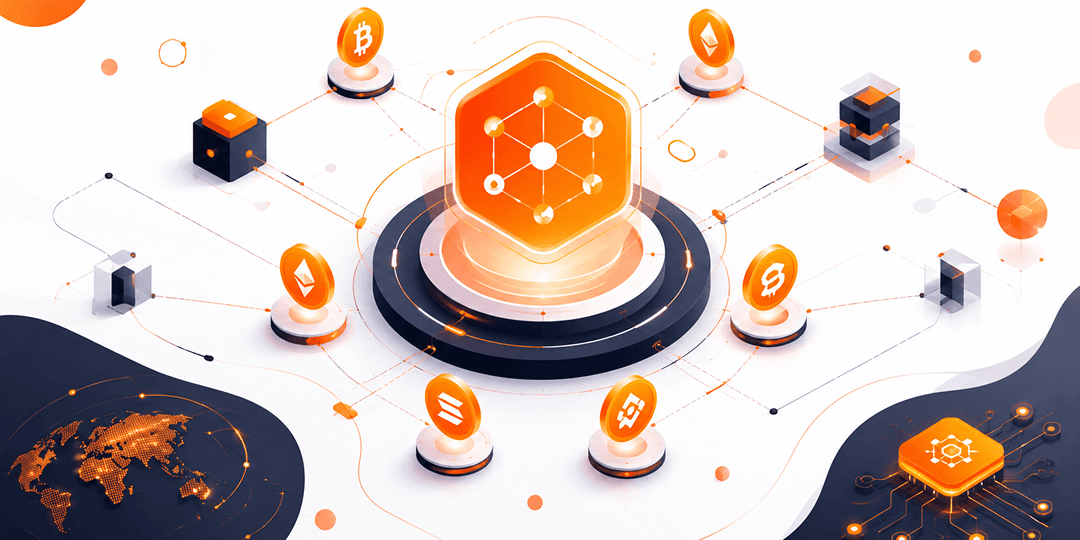
The blockchain industry has evolved from a niche technology into a global ecosystem powering cryptocurrencies, decentralized finance (DeFi), digital identity, tokenized assets, and enterprise applications. The term Crypto Nexus represents the interconnected world of blockchain networks, Web3 platforms, digital assets, decentralized applications (dApps), and supporting technologies that work together to create the modern decentralized economy.
Whether you're a developer exploring blockchain, a startup building Web3 products, an investor seeking to understand digital assets, or a business evaluating blockchain adoption, understanding the Crypto Nexus is essential. This guide explains its core components, practical applications, security considerations, business opportunities, and how developers can leverage APIs to accelerate blockchain-powered solutions.
What is Crypto Nexus?
Crypto Nexus refers to the broader ecosystem where blockchain technologies, cryptocurrencies, decentralized applications, smart contracts, wallets, exchanges, infrastructure providers, and developer tools interact seamlessly.
Rather than representing a single product or platform, Crypto Nexus describes the interconnected environment enabling secure, transparent, and decentralized digital transactions across industries.
Key Components of the Crypto Nexus
Public and private blockchain networks
Cryptocurrencies and digital tokens
Smart contracts
Decentralized Finance (DeFi)
NFT ecosystems
Digital wallets
Web3 applications
Blockchain infrastructure providers
Developer APIs and SDKs
Cross-chain interoperability solutions
Why Crypto Nexus Matters
Traditional digital systems often rely on centralized databases and intermediaries. Blockchain introduces decentralized trust, allowing transactions and records to be verified without requiring a central authority.
The Crypto Nexus enables organizations to build applications that are more transparent, secure, programmable, and resilient while reducing operational complexity in many use cases.
Crypto Nexus refers to the broader ecosystem where blockchain technologies, cryptocurrencies, decentralized applications, smart contracts, wallets, exchanges, infrastructure providers, and developer tools interact seamlessly.
How Blockchain Powers the Crypto Nexus
At the heart of the Crypto Nexus is blockchain technology—a distributed ledger that records transactions across multiple nodes. Once verified through consensus mechanisms, records become extremely difficult to alter.
Key blockchain characteristics include:
Major Technologies Behind the Crypto Ecosystem
Cryptocurrencies
Digital currencies facilitate peer-to-peer value transfer without traditional banking infrastructure. Popular cryptocurrencies also serve as settlement assets for decentralized applications.
Smart Contracts
Smart contracts automatically execute predefined conditions, eliminating manual intervention and reducing operational overhead for many business processes.
Web3
Web3 shifts application ownership toward users through decentralized identities, wallets, and blockchain-based interactions instead of centralized platforms.
Decentralized Finance (DeFi)
DeFi platforms provide financial services such as lending, borrowing, trading, and staking using blockchain protocols instead of traditional financial intermediaries.
Business Benefits of the Crypto Nexus
Real-World Applications
Financial Services
Banks and fintech companies use blockchain for cross-border payments, digital asset custody, compliance, and settlement optimization.
Supply Chain
Organizations improve traceability by recording manufacturing, shipping, and logistics events on distributed ledgers.
Healthcare
Healthcare providers explore blockchain for secure medical records, consent management, and pharmaceutical tracking.
Digital Identity
Self-sovereign identity solutions allow individuals to control and selectively share verified credentials.
Gaming
Blockchain enables ownership of in-game assets, digital collectibles, and interoperable virtual economies.
Developer Guide
Developers entering the blockchain ecosystem typically work with:
Wallet integrations
Blockchain explorers
Node providers
RPC services
Smart contract frameworks
Blockchain analytics platforms
Identity verification APIs
Payment infrastructure
Depending on the project, developers may integrate blockchain APIs for transaction monitoring, wallet balance retrieval, token information, analytics, or digital asset verification. Always refer to the official documentation of the chosen blockchain platform or API provider before implementation.
Digital currencies facilitate peer-to-peer value transfer without traditional banking infrastructure. Popular cryptocurrencies also serve as settlement assets for decentralized applications.
How to Access Blockchain APIs Using FireAPI
Many blockchain-enabled applications rely on external APIs for data access, verification, analytics, or infrastructure services. Developers can explore the FireAPI marketplace to discover APIs relevant to blockchain, Web3, verification, AI, OCR, or business automation.
A typical workflow includes:
Create a FireAPI account.
Log in to your dashboard.
Search for the required API.
Select an appropriate subscription plan if available.
Generate an API key.
Review the API documentation.
Test endpoints in a development environment.
Integrate the API into your application.
If a specific blockchain API is not currently listed, developers can check the FireAPI marketplace for availability or request the API through FireAPI.
Security Considerations
Security remains one of the most important aspects of blockchain adoption.
Protect private keys using secure storage solutions.
Enable multi-factor authentication wherever possible.
Review smart contracts through professional security audits.
Monitor transactions for suspicious activity.
Encrypt sensitive application data.
Apply least-privilege access controls.
Keep software dependencies updated.
Verify wallet addresses before initiating transfers.
Performance and Scalability
As blockchain adoption grows, scalability becomes increasingly important. Organizations often evaluate transaction throughput, latency, network congestion, and infrastructure costs before selecting a blockchain platform.
Modern Layer 2 solutions and interoperability technologies continue improving performance while maintaining strong security guarantees.
Best Practices
Choose blockchain platforms based on business requirements rather than popularity.
Use official SDKs and documentation.
Validate all blockchain inputs.
Monitor network status and transaction confirmations.
Design applications for fault tolerance.
Implement comprehensive logging and monitoring.
Perform regular security reviews.
Stay informed about evolving regulatory requirements.
Industry Insights
The blockchain ecosystem continues expanding beyond cryptocurrencies into enterprise software, digital identity, supply chain management, decentralized finance, artificial intelligence integrations, and tokenized real-world assets.
Businesses increasingly focus on practical blockchain adoption where transparency, automation, and trust provide measurable operational benefits.
Frequently Asked Questions
Is Crypto Nexus a cryptocurrency?
No. Crypto Nexus refers to the interconnected blockchain and Web3 ecosystem rather than a specific cryptocurrency or blockchain project.
Who should learn about the Crypto Nexus?
Developers, businesses, startups, investors, researchers, and technology enthusiasts can benefit from understanding how blockchain technologies work together.
Can businesses integrate blockchain into existing applications?
Yes. Many organizations enhance existing systems with blockchain services for payments, identity verification, asset tracking, and secure record management using suitable APIs and infrastructure providers.
What are the biggest challenges?
Common challenges include scalability, regulatory compliance, interoperability, security, and user experience.
Where can developers find blockchain-related APIs?
Developers can explore API marketplaces such as FireAPI for available blockchain, verification, AI, and business APIs, while always consulting official documentation before integrating any service.
Conclusion
Crypto Nexus represents the convergence of blockchain infrastructure, cryptocurrencies, decentralized applications, and modern developer tools. As organizations continue embracing Web3 technologies, understanding this interconnected ecosystem becomes increasingly valuable for developers and businesses alike. By following security best practices, selecting appropriate blockchain technologies, and leveraging trusted API marketplaces when suitable, teams can build scalable and innovative blockchain-powered solutions. Developers interested in complementary services can explore the FireAPI marketplace to discover available APIs and integration resources that support modern application development.